
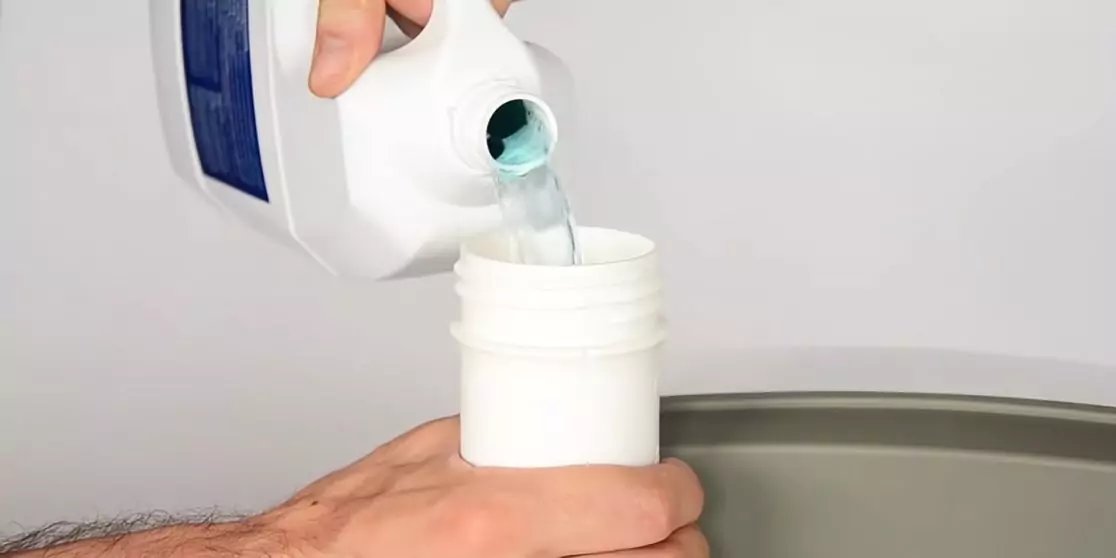



Why do I need sanitary additives?
And what the whole thing has to do with the colours blue, green and pink
A camping toilet offers independence from local sanitary facilities when camping. To make full use of this comfort, you should use sanitary additives with cassette toilets.
Table of contents
Why do I need a sanitary additive at all?
A camping toilet is not comparable to a toilet at home. In your home toilet, all you have to do is flush and all faeces will be safely discharged into the sewer system with the flush water. From there, they enter the sewage treatment plant, and the incoming sewage water is recycled and returned to the water cycle.
However, when camping there is no direct connection to the sewage system. Everything that goes into the top of the toilet is collected in a tank under the toilet and must be disposed of. During longer standing times, fermentation gases are produced which cause an unpleasant odour. In addition, residues are deposited on the fresh water tank and the waste-holding tank. So it is important to stock up on sanitation supplies. In this blog post you can read how toilets when camping also work without chemicals.
Chemical sanitary additives are standard for chemical camping toilets. These work mainly with surfactants and salts. This makes them very efficient at reducing odours and breaking down solids.
On the other hand, there are also disadvantages. Conventional additives are usually not biodegradable. That is why chemical toilets may only be emptied at the disposal stations provided for this purpose at campsites or service areas! There are automatic emptying stations that do this job for you. You can read here exactly how they work.
Filling and emptying the tank is accordingly time-consuming. Gloves should be worn, the product must not be inhaled and contact with the eyes must be avoided. In this blog post you will learn how to empty your chemical toilet correctly and hygienically.
Additives for the waste-holding tank
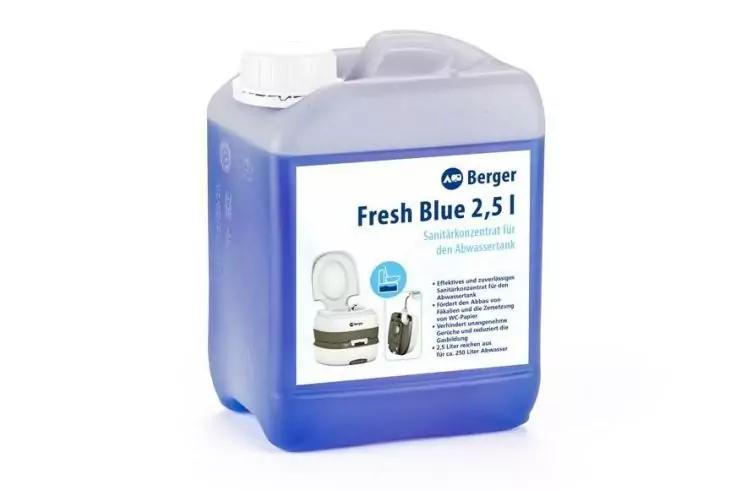
Sanitary additives reduce the formation of gas and thus odours and prevent the formation of deposits on the walls of the waste-holding tank. In addition, sanitary additives decompose the solid components as well as the toilet paper. This is especially important for emptying the tank. Only in this way can everything really flow out of the tank and the tank be completely emptied. In addition, the contents are changed in colour and this makes emptying a little more pleasant.
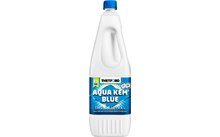
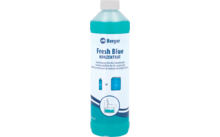
Conventional additives for the waste-holding tank are usually blue.
Here you can find additives for the waste-holding tank




Additives for the flush water tank
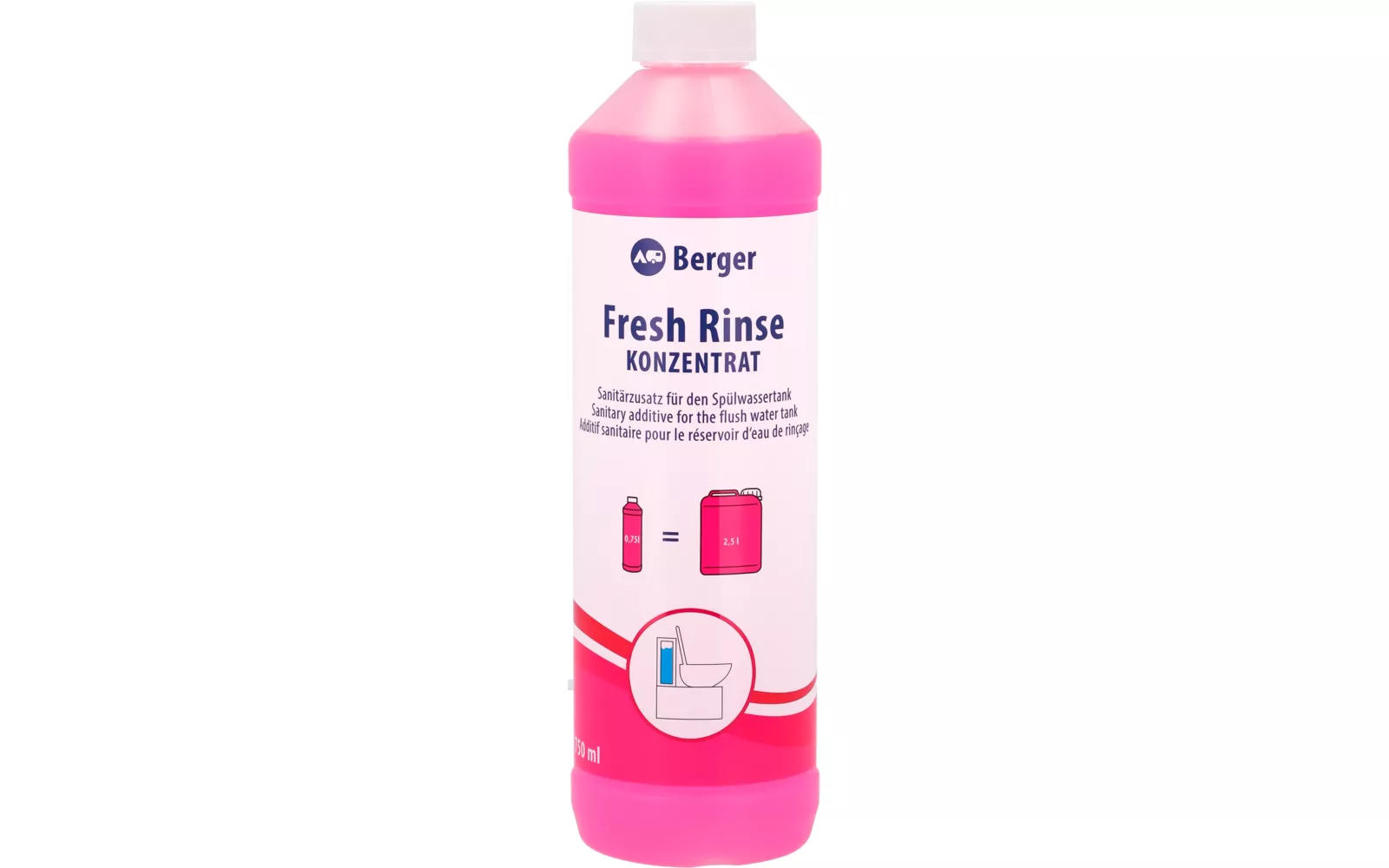
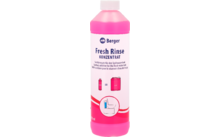
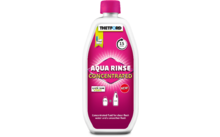
To prevent deposits, such as limescale and urine scale, from settling inside the toilet bowl, it is advisable to use sanitary additives in the flush water tank. This ensures a hygienic and impeccably clean toilet. These additives also spread a pleasant fragrance and act like a toilet deodorant.
Additives for the flush water tank are usually pink.
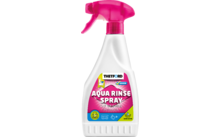
They are produced as sprays or liquids in bottles. The dosage is done according to the manufacturer's instructions just as easily as with the additives for the black or grey water tank.
If your toilet does not have a flush water tank, but draws its water directly from the fresh water tank, there are also sanitary additives that can be put directly into the toilet bowl, usually as a spray. They clean, prevent deposits and protect the seals.
Here you can find additives for the flush water tank and the toilet bowl


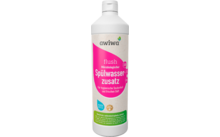

Additives for the waste-water tank
Grey water, which is made up of shower and washing-up water and is transported in the waste-water tank, contains a combination of soap suds, grease and food residues and in the long run causes a rotten smell in the tank. Additives for the waste-water and grey water tank prevent unpleasant grey water odours from the drain and reduce deposits in the grey water tank. They ensure fresh, clean grey water and an odourless emptying of the tank. In this blog post I show you how to clean your grey water tank effectively.
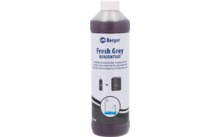
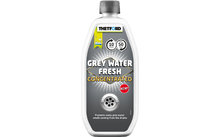
Additives for the waste-water tank are usually grey.
Here you can find additives for the grey and waste-water tank


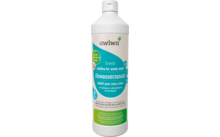
Sanitary products as liquid, concentrate, tab or powder?
No matter what kind of toilet additive you choose: liquid, powder and co. all have the same positive basic properties:
Liquefaction of faeces in the toilet
Decomposition of toilet paper
Reduced odour formation in the tank
Liquid
Liquid sanitary additives are usually filled in bottles or canisters that are easy to store. The cap normally has a child lock. The lid of the waste-holding tank serves as a dosing aid, and there is usually a transparent viewing strip on the side of the sanitary additive bottle so that you can check how full the container still is.
Advantages of chemical sanitary additives in liquid form are:
Easy dosage
Outstanding effectiveness
High yield
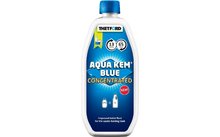
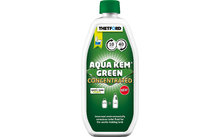
Concentrates
All sanitary products presented here are also available as concentrates. Concentrates have the great advantage that they are much more productive than already diluted products. One bottle of concentrate can therefore last 5x longer than a ready-to-use product. The concentrate is only mixed with water during use and thus develops its effect. Pay close attention to the manufacturer's instructions, as every manufacturer uses a different concentration.
Here you can find sanitary liquids as concentrates
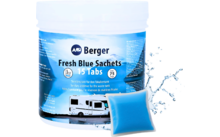
Tabs
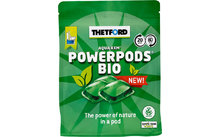
In addition to liquid sanitary additives for camping toilets, there are also tabs or sachets, meaning little bags. These dry additives are packaged in a self-dissolving film and are simply placed in the waste-holding tank. They are packed in a tin and have the advantage that they are not only easy to dose, but can also be stored in a space-saving way.
One tab is enough for a complete tank filling of the toilet, i.e. a good 20 litres. However, if you empty your toilet more often or the tank is significantly smaller than 20 litres, tabs are not suitable because you will unintentionally use too much chemical.
Here you can find sanitary additives as tabs
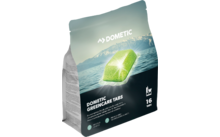

Powder
A possible alternative to this are powders or crystals. They are supplied in a tin that can be stowed away to save space. The powder is dosed with a cup or spoon. The dosage is therefore more complex than with tabs, but much more accurate.
Biodegradable sanitary additives
If you go camping and use a toilet with a waste-holding tank, you can't avoid a sanitary additive. It ensures that the camping toilet does not smell unpleasant, that the waste-holding tank can be emptied easily and that nothing clogs.
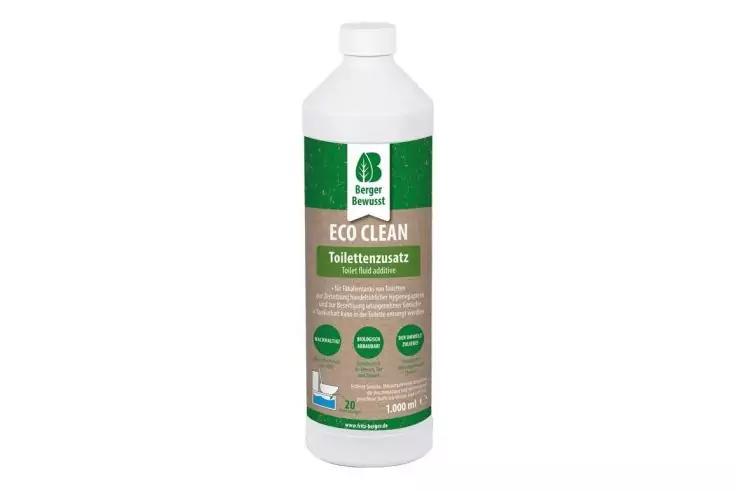
However, to reduce the environmental impact of the camping toilet, it is better to use easily biodegradable products or those with environmentally friendly compositions. They are just as effective and far more environmentally friendly. Because in addition to chemical sanitary additives, there are also biodegradable ones. The substances contained have only minor effects on water bodies, animals and other aquatic life.
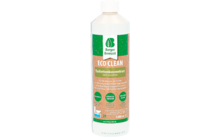
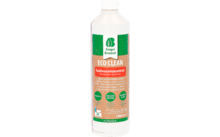
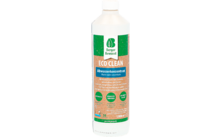
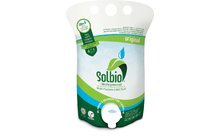
Products with readily biodegradable ingredients are usually green.
Organic sanitary additives use natural ingredients, bacteria and essential oils, which prevent odours and break down solids.
Organic additives are in no way inferior to chemical additives in their performance.
Slightly higher price
All well-known manufacturers have now recognised the need for action and have also produced all their products in the ecological variant. In this blog post you will learn everything worth knowing about biodegradable sanitary products.
Here you can find biodegradable sanitary additives

Regular cleaning
Even if you regularly fill your camping toilet with sanitary additives, they are not enough to remove all deposits in the tank. Therefore, you should use a so-called cassette cleaner at regular intervals. These cleaning agents are available in liquid form, but also in powder form, and remove even stubborn residues such as urine scale or firmly adhering toilet paper residues. The cassette cleaners rely mainly on acid to clean particularly efficiently.
It is important that you only use special additives and cleaning agents for your camping toilet. Commercially available additives, such as those used in the toilet at home, are out of place on holiday. The camping toilet is mainly made of plastic, the seals of rubber. Both do not tolerate harsh cleaning agents and the parts would become porous and wear, break or crack in the long run.
As a rule, it is sufficient to clean your waste-holding tank thoroughly once a year, or two to three times a year in the case of excessive use. In this blog post I show you how to clean the waste-holding tank properly.
Here you can find effective toilet and tank cleaners
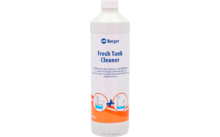
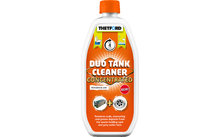
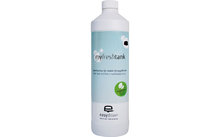

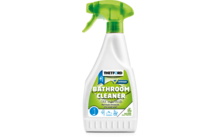
Here you can find cleaning agents for the camping toilet in the Berger online shop.
Practical: There are also 3-in-1 products that you can use as an additive for the waste-holding tank, the flush water tank and as a cleaning agent for the waste-water tank. This saves valuable storage space.
Conclusion: proper disposal
When using chemical sanitary additives, always pay attention to the labelling, which is required by the CLP Regulation in Europe. Due to their chemical composition, conventional sanitary additives are harmful to humans and the environment. Therefore, you should always dispose of your waste-holding tank only in the designated places and wear protective gloves.
As sanitary fluids of any kind pollute the environment, you should try to use your camping toilet as rarely as possible and use easily biodegradable additives.
Frequently asked questions
Why do I need a sanitary additive for the camping toilet? +
Camping toilets are not connected to the sewage system, so waste is collected in a tank. Without additives, unpleasant odours and deposits build up.
What types of sanitary additives are there? +
There are additives for the waste-holding tank (blue), the flush water tank (pink) and the waste-water tank (grey). Each colour has a special function.
Why are the additives for the waste-holding tank blue? +
Blue additives break down solids, reduce odours and make emptying the tank easier.
What are pink additives in the flush water tank used for? +
Pink additives prevent deposits such as limescale or urine scale and ensure a pleasant fragrance.
What is the function of grey additives for the waste-water tank? +
Grey additives neutralise odours in the waste-water tank and reduce deposits.
What forms are sanitary additives available in? +
Sanitary additives are available as liquid, concentrate, tabs or powder, depending on the application.
Are biological sanitary additives more environmentally friendly? +
Yes, they do not contain aggressive chemicals and use natural enzymes for decomposition.
How often should I empty the waste-holding tank? +
Depending on use, the tank should be emptied every 1 to 3 days.
How do I clean my camping toilet properly? +
The toilet should be cleaned with special cleaning agents and the waste-holding tank should be rinsed regularly.
How do I dispose of the waste from my camping toilet correctly? +
Emptying takes place at special disposal stations on campsites or service areas.