
Vehicle Gas Regulators
Here you will find gas pressure regulators for motorhomes, caravans and vans - from simple vehicle regulators to automatic two-bottle systems with crash sensor, remote display and accessories for safe gas operation on the road.
Read more about Vehicle Gas Regulators ...




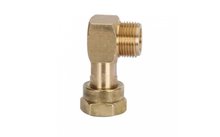

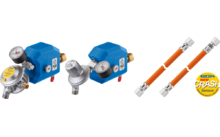
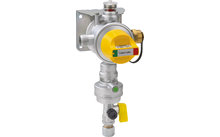
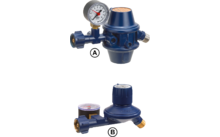
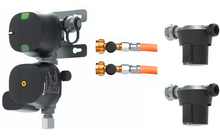
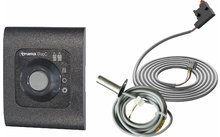
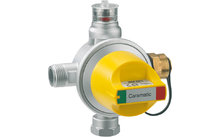
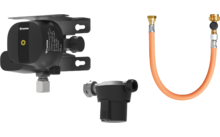
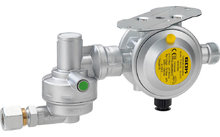
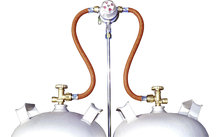

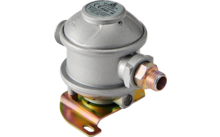
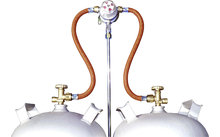
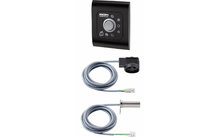
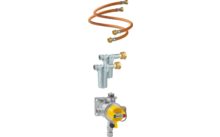

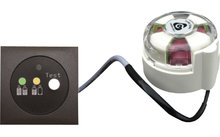
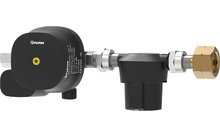

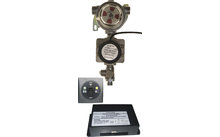
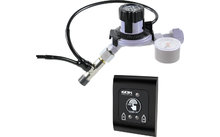
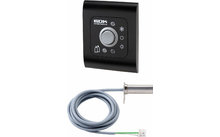

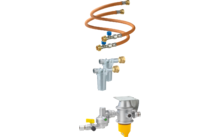
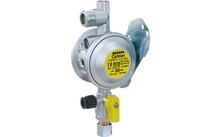
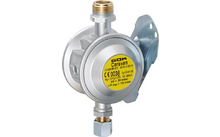
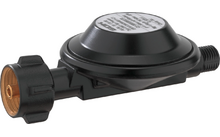
Gas Regulators For Vehicles
Reliable gas pressure control is essential for safe touring. With certified gas regulators, correct country pigtails and proper ventilation, your caravan or motorhome runs cookers, heaters and fridges efficiently on every trip.
Vehicle Gas Regulators Basics
Most touring installations operate at 30 mbar. Select a regulator that matches appliance load and your cylinder type, then keep hose runs short and protected from heat and abrasion. Mount regulators where you can inspect them easily before and after long drives.
Selecting 30 mbar Gas Regulators
Check total appliance demand in kW and choose an outlet capacity that comfortably exceeds it. Undersized regulators cause weak flames and nuisance shutdowns.
Country Connections For Gas Regulators
Use the correct pigtails for local cylinder standards and replace dated hoses on schedule. Avoid stacking adapters that introduce extra leak points.
Caravan And Motorhome Gas Regulators
Caravan lockers benefit from fixed bulkhead regulators that reduce stress on bottle valves. Motorhomes often combine a regulator with a safety block that integrates crash sensing or excess-flow protection for travel.
Manual Vs Automatic Changeover Regulators
Manual changeover is lighter and cheaper; automatic changeover maintains supply when one cylinder empties. Fit a clear indicator to see when it is time to refill.
Crash Sensors For Gas Regulators
Where permitted, crash sensors shut the system if a sudden deceleration is detected. Test them during seasonal service and reset per instructions.
Bulkhead Gas Regulators And Changeover Kits
Bulkhead mounting keeps the regulator cool, upright and easy to access. Add a changeover head for twin-cylinder convenience, and route pigtails with soft bends to prevent kinks and vibration wear.
Pigtails And Hoses For Gas Regulators
Choose certified lengths that reach without tension. Keep them away from sharp edges and hot flues, and support with cushioned clips to prevent chafe.
BSP Threads And Quick-Connects
Confirm thread size and direction before assembly. For external cooking points, use approved quick-connect sockets with a nearby shut-off valve and dust cap.
Safety Devices For Gas Regulators
Add CO and gas detectors inside the living area and near sleeping zones. Flame-failure devices on appliances cut gas if the flame goes out, improving safety in gusty conditions.
Excess-Flow And Non-Return Protection
Excess-flow devices limit discharge if a hose fails; non-return valves help maintain line pressure and priming. Verify function during routine checks.
Ventilation And Locker Design
Gas lockers must vent to the outside at floor level. Keep drains clear, secure cylinders upright with approved straps and never store ignition sources inside the locker.
Installation, Testing And Maintenance For Gas Regulators
Mount regulators upright on a solid surface, torque fittings to specification and avoid over-tightening. After any change, perform a leak test with spray or a soapy solution and inspect again after the first drive.
Leak Testing For Gas Regulators
Apply solution to every joint; bubbles indicate a leak. Close the valve, re-seat the fitting and retest until all joints remain dry.
Troubleshooting Low Pressure On Gas Regulators
Yellow or lazy flames can indicate icing, contamination or a partially closed valve. Check bottle level, hose condition, jet cleanliness and verify stable 30 mbar output.
Travel, Storage And Service For Gas Regulators
Close cylinder valves before driving unless your certified system allows operation in motion as local rules permit. Over winter, disconnect appliances, store cylinders upright in a ventilated area and check hoses for stiffness or cracks before spring.
Service Checklist For Gas Regulators
Replace ageing pigtails, confirm regulator date, test detectors and record part numbers and service dates. A simple logbook keeps your setup traceable and reliable.