
Gas Valves & Taps
Valves and gas taps are the heart of your gas supply in your motorhome or caravan. Here you will find everything you need to safely connect gas cylinders, regulate flows or shut off individual lines - from hose rupture safety valves to changeover valves and gas cylinder valves.
Read more about Gas Valves & Taps ...

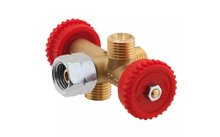

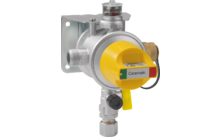

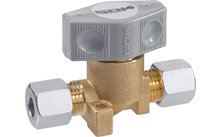

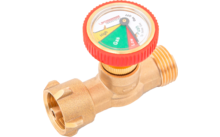

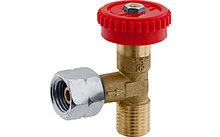
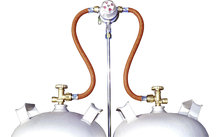

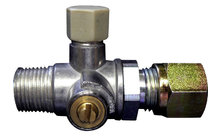
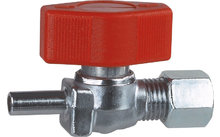
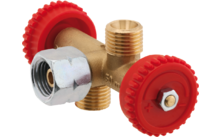

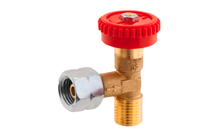



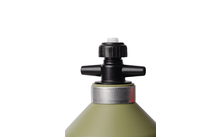
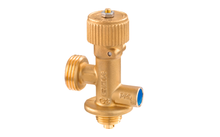
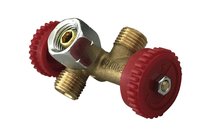
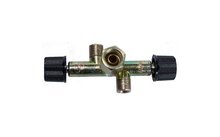

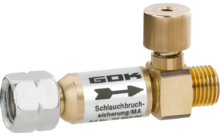
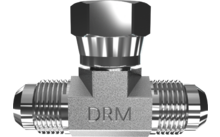

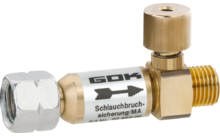
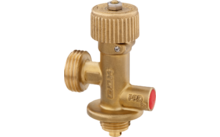
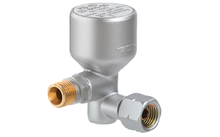
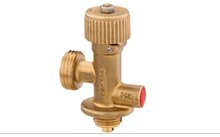
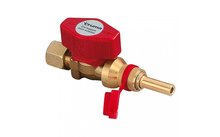

Gas Valves And Taps
Reliable gas valves and taps are essential for safe cooking, heating and outdoor BBQ use. With certified shut-off valves, appliance taps and backflow protection, your caravan or motorhome runs efficiently and stays easy to service on tour.
Caravan And Motorhome Gas Valves Basics
Plan clear isolation points and keep components accessible. Most touring systems operate at 30 mbar, so select valves and taps that match pressure class and flow demand. Mount hardware on solid surfaces to prevent vibration damage.
Sizing Gas Valves And Taps
Choose bores that cover peak appliance load to avoid starved burners. Short, direct runs minimise pressure drop and keep flames stable.
Materials For Gas Valves
Use certified brass or approved plastics. Where heat is present, select temperature-resistant seals and handles.
Shut-Off Valves And Isolation
Fit mini ball valves before heaters, fridges and external sockets so each branch can be serviced independently. Label lines clearly and position handles for quick reach.
Outlet Isolation On Manifolds
A valve per outlet on a distributor keeps kitchen, washroom and BBQ circuits separate, reducing downtime during repairs.
Travel Routine For Gas Taps
Close non-essential branches before driving and reopen only when needed at the pitch.
Non-Return And Excess-Flow Valves
Check valves maintain line pressure and stop backflow from elevated cylinders or appliances. Excess-flow protection limits discharge if a hose fails.
Placing Non-Return Valves
Install after the regulator or near elevated tanks as specified. Add an inlet strainer upstream to protect the mechanism from debris.
Function Checks For Safety Valves
Test operation during seasonal service and replace parts that fail functional tests.
Appliance Taps And Flow Control
Appliance-specific taps provide smooth adjustment and quick shut-off at the unit. Choose ergonomic handles and ensure clear access for daily use.
External BBQ Points And Taps
Use approved quick-connect sockets with a nearby tap. Cap the port when not in use to keep grit out and preserve seals.
Fine Control For Low-Output Devices
Small burners benefit from taps with precise metering to prevent flameouts in gusty conditions.
BSP Threads, Seals And Directions
Many fittings use BSP threads; some gas connections are left-hand. Confirm size and orientation, then use the specified flat gasket or cone O-ring.
Sealing Gas Valves And Taps
Torque to spec, avoid over-tightening and protect sealing faces with dust caps. Replace flattened or cracked seals immediately.
Adapters And Joint Count
Limit adapters to reduce restriction and potential leak points. Prefer direct matches wherever possible.
Installation, Routing And Ventilation
Support pipe and hose with cushioned clips, keep gentle curves and protect pass-throughs with grommets. Gas lockers require floor-level vents to the outside.
Separating Gas And Electrics
Maintain distance from wiring and batteries; if parallel runs are unavoidable, add protective sleeving.
Mounting Orientation For Valves
Install handles in visible, reachable positions and leave tool clearance for servicing.
Testing, Maintenance And Safety
After any change, apply leak-detection spray or a soapy solution to every joint. Record valve locations and service dates in a simple log.
Troubleshooting Gas Valves And Taps
Yellow or lazy flames point to low pressure or contamination. Check bottle level, regulator output, valve position and jet cleanliness.
Seasonal Checks And Spares
Carry spare O-rings, gaskets and a universal spanner. Recheck all joints after your first drive of the season.