



High Pressure Hoses
High-pressure gas hoses connect your gas cylinder securely to the regulator or appliance. Flexible, robust and reliable - perfect for stoves, barbecues or heaters on the go.
Read more about High Pressure Hoses ...

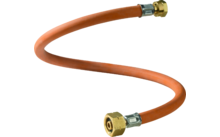

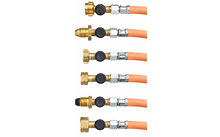

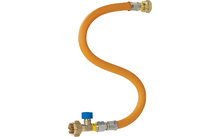
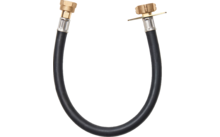

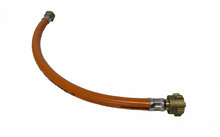

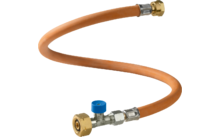
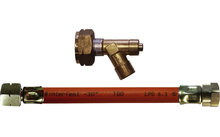
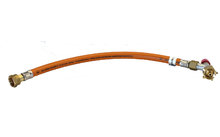
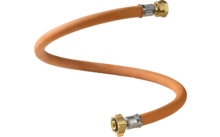
High Pressure Hoses
Reliable high pressure hoses are essential wherever gas flows from the cylinder to the regulator. With certified LPG hose, country-correct pigtails and proper routing, you keep pressure stable, leaks at bay and your camping gas system compliant on every trip.
Caravan And Motorhome High Pressure Hoses Basics
High-pressure sections run upstream of the regulator and demand certified components throughout. Keep hose runs as short as practical, protect them from heat and abrasion, and mount the regulator upright on a solid bulkhead for easy checks.
Pressure Classes In High Pressure Hoses
Use only hoses rated for cylinder pressure on the upstream side. Downstream of the regulator, switch to low-pressure hose suitable for 30 mbar systems.
Materials And Markings On High Pressure Hoses
Select temperature- and oil-resistant LPG hose with clear approval marks and date codes. Replace at the stated interval or sooner if stiffness or cracks appear.
Selecting High Pressure Hoses: Lengths And Ratings
Measure carefully from the cylinder valve to the regulator with gentle curves. Extra length increases pressure drop and wear, while tight routing risks kinks and rubbing.
Bend Radius For LPG High Pressure Hoses
Respect the minimum bend radius printed on the hose. If space is tight, re-route or use approved angled fittings rather than forcing a bend.
Capacity And Bore In High Pressure Hoses
Match internal bore to appliance load via the regulator’s capacity. Undersized bores can starve burners and cause lazy flames.
Connectors For LPG High Pressure Hoses
Country standards differ. Choose the correct pigtail connector for the cylinder in your travel region and avoid stacking multiple adapters which add leak points.
BSP Threads, Seals And Directions
Confirm size and male/female orientation. Some gas fittings use left-hand threads—check markings. Use the specified gasket or cone seal and tighten to spec.
Quick-Connect Options On High Pressure Lines
Where approved, use certified quick-connects upstream only if designed for high pressure. Cap exposed sockets with dust covers when not in use.
Routing And Protection For High-Pressure Hoses
Support high pressure hoses with cushioned clips, protect pass-throughs with grommets and keep lines away from sharp edges, moving parts and hot flues.
Separation From Electrics
Maintain distance from electrical wiring and batteries. If parallel runs are unavoidable, add protective sleeving and secure both lines to prevent chafe.
Ventilated Gas Locker Layout
Store cylinders upright, strapped, with floor-level external venting. Keep locker drains clear so heavier-than-air gas can escape safely.
Inspection, Leak Testing And Service Life
After any change, perform a leak test on every joint using leak-detection spray or a soapy solution. Record hose dates and plan proactive replacements.
Common Symptoms And Fixes
Yellow or pulsing flames can indicate low pressure, icing or contamination. Check bottle level, regulator output, hose condition and jet cleanliness.
Seasonal Checks For High Pressure Hoses
Before peak season, verify stable regulator output, re-torque fittings if required and recheck all joints after the first drive.
Accessories And Spares For High-Pressure Hoses
A compact kit with spare O-rings, flat gaskets, a regulator gasket, dust caps and leak-detection spray keeps your high pressure hoses dependable on tour.
External Cooking With High-Pressure Supply
Use windshields on stoves, position outlets away from awning fabric and always close the valve when the appliance is disconnected.
