



Gas Fittings
In the gas fittings category, you will find all the connectors, elbows, reducers and sealants you need to connect your gas lines in your motorhome or caravan safely, flexibly and tightly.
Read more about Gas Fittings ...
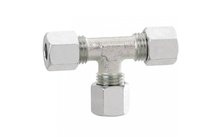


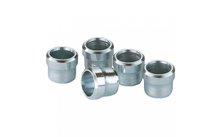

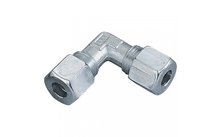

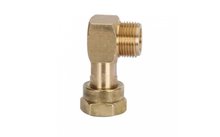

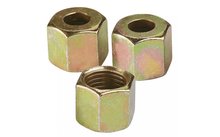


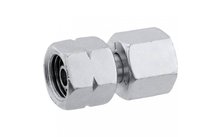
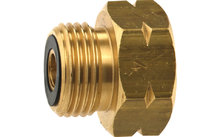
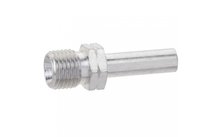


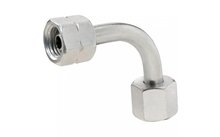
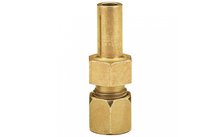

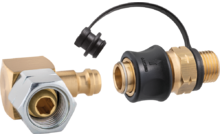

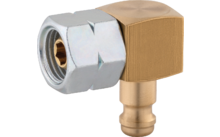
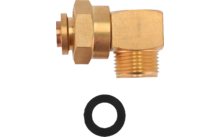

Gas Fittings
Reliable gas fittings keep your caravan or motorhome cooking, heating and cooling safely. Match thread type, seal and pressure class, and you will maintain stable 30 mbar output, reduce leaks and simplify maintenance across your camping gas installation.
Caravan And Motorhome Gas Fittings Basics
Identify where the fitting sits: upstream of the regulator (high pressure) or downstream (low pressure). Select certified parts, keep joint count low and position connections where you can see and test them easily.
High- Vs Low-Pressure Gas Fittings
Use high-pressure fittings before the regulator and low-pressure fittings after it. Never mix components across pressure classes.
Bore Size And Flow In Gas Fittings
Choose fittings with an internal bore that covers peak appliance demand to prevent starved burners and lazy flames.
BSP Threads, Left-Hand Threads And Seals
Many LPG fittings use BSP threads. Confirm size and male/female orientation; some gas connections are left-hand and are marked accordingly. Use the specified flat gasket or cone O-ring and tighten to spec.
Seal Types For Gas Fittings
Flat gaskets and cone seals are not interchangeable. Replace tired seals during seasonal service and carry spares for quick fixes.
Protecting Sealing Faces
Use tethered dust caps on unused ports. Keep threads clean and avoid tools that burr soft metals.
Adapters, Elbows And Reducers In Gas Fittings
Use only the adapters you need. Each extra joint adds restriction and a potential leak point, so prefer direct matches and smooth-bore reducers to preserve flow.
Angled Gas Fittings For Tight Lockers
45° and 90° elbows prevent kinks and reduce strain on hoses where space is limited. Support nearby runs with cushioned clips.
Rigid-To-Hose Transition Fittings
Use approved tails to transition from copper or stainless pipe to flexible hose, and respect minimum bend radius on the hose tail.
Quick-Connect Gas Fittings For Outdoor Cooking
Certified quick-connects speed BBQ setups and protect main threads from wear. Fit a nearby shut-off valve and cap the socket when not in use.
Couplers And Dust Caps
Choose couplers with positive lock and weatherproof caps to keep grit out and engagement smooth over time.
Positioning External Points
Mount outlets away from awning fabric and soft furnishings, with clearance for hose bend radius and safe operation.
Country Pigtails And Cylinder Gas Fittings
Cylinder connections vary by region. Carry the correct country pigtail for your route and avoid stacking multiple adapters that increase leak risk.
Changeover Blocks And Indicators
On twin cylinders, use certified changeover gear and short pigtails with gentle curves. Add a clear indicator to plan refills.
Ventilation Around Cylinder Fittings
Store bottles upright, strapped, in a locker vented at floor level so heavier-than-air gas can escape outside.
Installation, Testing And Maintenance Of Gas Fittings
Torque fittings to specification, protect pass-throughs with grommets and keep lines away from heat sources and electrics. After any change, leak-test every joint with spray or a soapy solution.
Troubleshooting Gas Fittings
Yellow flames suggest low pressure or contamination. Check bottle level, regulator output, connector seals and burner jets, then verify 30 mbar at the appliance.
Seasonal Checks And Spares
Record hose date codes and fitting types in a simple log. Carry spare O-rings, flat gaskets, a regulator gasket and leak-detection spray.
