



Fill Level Indicators & Tank Electrodes
Fill Level Indicators And Tank Electrodes keep your caravan or motorhome water system accurate and dependable. With the right sensors, probe electrodes and display panels, you monitor fresh and grey-water levels, avoid pump dry-run and plan refills or draining with confidence at every pitch.
Read more about Fill Level Indicators & Tank Electrodes ...
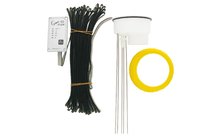


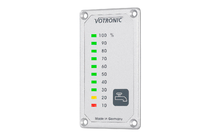
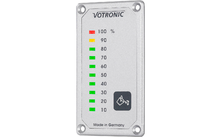
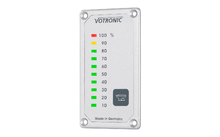
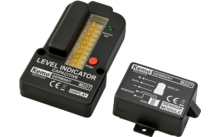

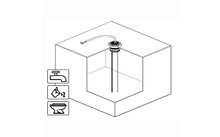
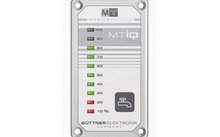
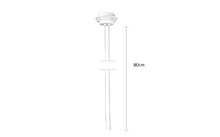

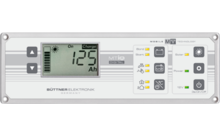


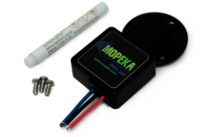
Fill Level Indicators And Tank Electrodes
Accurate tank monitoring makes touring easier. Matched fill level indicators, tank electrodes and display panels help you track fresh and grey-water levels, prevent dry-run and schedule refills or draining without guesswork.
Caravan And Motorhome Fill Level Indicators Basics
Choose systems that match your tank height, signal type and 12 V supply. Food-grade components are essential for fresh water, while temperature-resistant parts suit warm lockers. Keep wiring simple and accessible for quick checks.
Measuring Principles For Tank Indicators
Common options include conductivity probes (multi-electrode), resistive senders and capacitive sensors. Conductivity is cost-effective; capacitive sensors mount outside the tank and reduce fouling.
Display Types For Fill Level Indicators
From LED bars to percentage readouts, pick a panel that is easy to read at a glance. A dimmable or night mode prevents glare in compact interiors.
Selecting Tank Electrodes And Probe Positions
Mount electrodes at meaningful heights (for example 25, 50, 75, 100 %). Place them away from inlets and pump pickups to avoid turbulence affecting readings. For grey-water, choose low-fouling positions you can reach for cleaning.
Sealing And Hygiene For Tank Electrodes
Use correct bulkhead fittings, O-rings and food-safe sealants. Deburr holes, add strain relief and tighten moderately to protect the tank wall.
Compatibility Of Tank Electrodes And Panels
Confirm whether your panel expects conductive, resistive or capacitive signals. Adapters can bridge different sensor types when upgrading.
Wiring And Installation For Fill Level Indicators
Route colour-coded cables with proper fusing and clean earth points. Keep joins dry and corrosion-protected, and label runs for faster troubleshooting later.
Calibration For Fill Level Indicators
After first fill, run a quick learning cycle if available. Note tank shape quirks and mark practical thresholds such as “refill soon” on the panel.
Error Checking On Tank Electrodes
Typical causes of false readings are dirty contacts, loose plugs or scaling on probes. Start with a ground check, then inspect the signal path and panel.
Capacitive Alternatives To Tank Electrodes
External capacitive sensors mount on the tank wall, avoiding drill holes. They are ideal for thin-walled, accessible tanks and reduce contamination risks inside the tank.
Benefits Of External Fill Level Indicators
Less fouling, easy retrofitting and often finer resolution. Ensure firm adhesion and follow the manufacturer’s wall-thickness limits.
Limits Of Capacitive Sensors
Very thick walls or large bubbles can affect readings; in such cases, multi-electrode or float solutions may be better.
Maintenance For Fill Level Indicators And Electrodes
Rinse grey-water probes, wipe fresh-water electrodes during seasonal service and check gaskets. After disinfecting tanks, flush thoroughly to remove residues that could skew conductivity.
Winter Care For Tank Electrodes
Drain tanks, open low-point drains and protect open cables from condensation. Recheck connections after the first spring drive.
Upgrading Your Fill Level Indicator System
Consider panels that combine tank levels with battery voltage, or add a secondary readout near the fill point. Bluetooth senders enable app checks when you are outside the vehicle.
Spare Parts And On-The-Road Tips
Carry spare O-rings, cable lugs and cleaning wipes. Keep a note of sensor type and calibration steps for quick fixes away from home.
