



Hose Systems
Hose Systems are essential for a clean, reliable water supply when camping. With the right drinking water hoses, push-fit connectors and clamps, your motorhome, caravan or campsite setup stays hygienic and leak-resistant. Discover the key benefits of water hose systems and how to choose the best diameters, materials and fittings for long-lasting performance.
Read more about Hose Systems ...


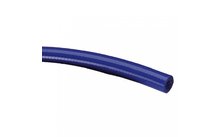

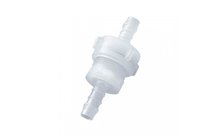
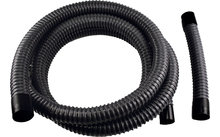
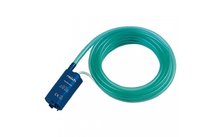

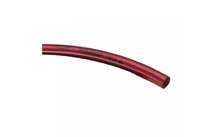

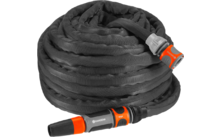

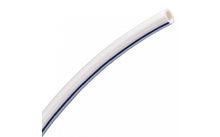
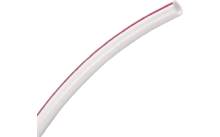
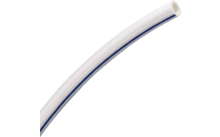
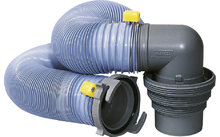

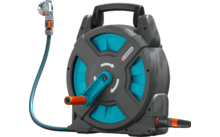
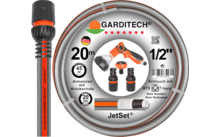






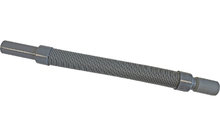

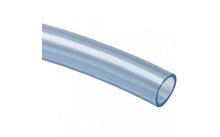
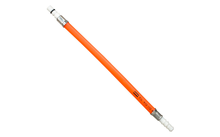


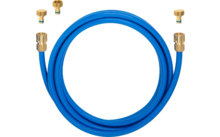

Hose Systems
A well-planned hose system is the backbone of clean, reliable water in your caravan or motorhome. With the right drinking water hoses, secure fittings and smart accessories, you can store, transport and use fresh water with confidence on every trip.
Caravan and Motorhome Hose Systems Basics
Start by matching hose type and diameter to your layout and pump output. Food-grade hoses protect taste and hygiene, while anti-kink designs maintain steady flow even in tight lockers and service hatches. Keep diameters consistent across tanks, pumps and appliances to reduce pressure loss and leaks.
Fresh Water Hoses and Flow Performance
Select hose lengths that avoid sharp bends and unnecessary joins. Where bends are unavoidable, use elbow fittings to protect the hose and preserve flow. Secure runs with quality clamps to prevent chafe on rough roads.
Quick-Connects for Faster Setups
Quick-connect couplers make filling and draining straightforward at service points. Colour-coding hot and cold lines simplifies future upgrades and troubleshooting.
Drinking Water Hose Systems: Materials and Diameters
Choose reinforced, food-grade materials that remain flexible in cooler weather and resist UV when used outdoors. Typical installations use 10–12 mm inner diameter for fresh water and larger diameters for high-demand appliances. Always check appliance requirements before mixing sizes.
Anti-Kink Construction for Reliable Hose Systems
Anti-kink layers help maintain flow during tight routing behind cabinetry. Combine with strainers before pumps to protect components from debris.
BSP Threads and Adapters in Hose Systems
When connecting to taps, filters or external inlets, verify thread type and use the right adapters. PTFE tape or appropriate gaskets ensure a reliable seal without overtightening.
Hose System Fittings and Push-Fit Connectors
Use straight couplers, elbows and tees to keep runs neat, then add reducers only where necessary. Install isolation valves upstream of taps and appliances so you can service components without draining the whole system.
Distributors and Branch Points for Hose Systems
Compact multi-way distributors create tidy splits to kitchen, bathroom and outdoor shower lines. Place them where they remain accessible for maintenance.
Leak Prevention in Water Hose Systems
Pressure-test after every change. Replace O-rings periodically and carry a small kit of spare clamps and universal connectors for quick roadside fixes.
Frost Protection for Hose Systems
Cold snaps can damage hoses and fittings. Add low-point drains and, where needed, frost valves that automatically empty vulnerable sections. Before winter storage, drain lines fully and leave taps in the mid position so both circuits vent.
Winterising Checks for Motorhome Hose Systems
Disconnect portable hoses, purge appliances according to manufacturer guidance and cap external inlets to keep debris out until spring.
Waste Water Hose Systems and Routing
Grey-water hoses should run with a gentle fall to avoid backflow and smells. Use temperature-resistant hose materials and secure them with clips at regular intervals for quiet, drip-free operation.
Odour Control in Waste Hose Systems
Add water traps near sinks and keep the tank vent clear. Periodic rinsing helps prevent residue buildup.
Maintaining Your Hose System on the Road
Carry spare O-rings, a short length of hose and a couple of push-fit couplers for emergencies. Regular cleaning and optional in-line filtration help maintain taste and water quality throughout the season.
