



Water Tank Sterilisation & Cleaning
Water Tank Sterilisation And Cleaning keeps drinking water safe and great-tasting on the road. With the right cleaners, descalers and hygiene routines, you can remove biofilm, limescale and odours and protect your caravan or motorhome supply season after season.
Read more about Water Tank Sterilisation & Cleaning ...

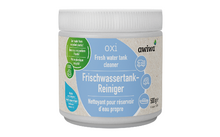




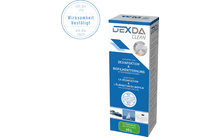

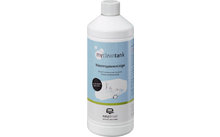


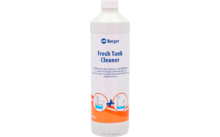
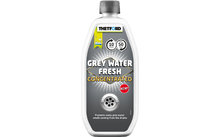




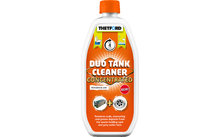







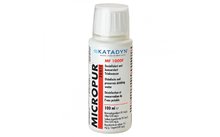

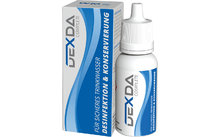
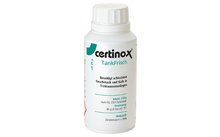

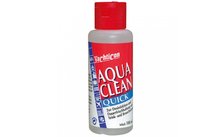
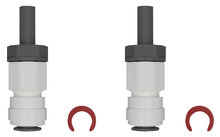
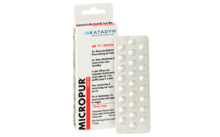
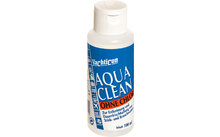
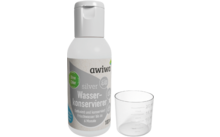
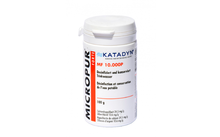
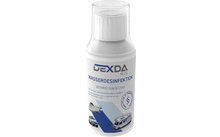
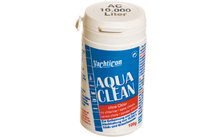
Water Tank Sterilisation And Cleaning
Effective water tank sterilisation and cleaning ensures hygienic, great-tasting water in your caravan or motorhome. Using suitable disinfectants, descalers and filters, you can remove biofilm, tackle limescale and keep pumps, pipes and taps working reliably on every trip.
Caravan And Motorhome Water Tank Cleaning Basics
Start with a full drain, then rinse tanks and lines before applying cleaner. Use products approved for drinking water systems and follow the stated contact time. Flush thoroughly afterwards until any taste or odour disappears.
Planning A Water Tank Sterilisation Routine
Sanitise at the start of the season, after long storage and whenever taste changes. Keep a log of dates and products used to maintain consistency.
Choosing Safe Cleaners For Water Tanks
Common options include chlorine-based sanitisers for disinfection and citric or mild acid descalers for limescale. Use food-grade products and never mix chemicals.
Deep Clean: Water Tank Sterilisation Step By Step
Drain tanks, fill with the recommended solution, circulate through all taps and let it sit for the specified time. Run each outlet briefly to pull the solution into mixers and shower heads.
Rinsing After Water Tank Cleaning
Drain completely, then refill with fresh water and flush lines until odours are gone. Clean aerators and shower heads to remove loosened deposits.
Biofilm Prevention In Water Tank Sterilisation
Regular turnover helps. Avoid leaving warm water standing for long periods and keep filler caps and inlets clean to reduce recontamination.
Limescale Removal And Water Tank Cleaning Aids
Hard water leaves deposits in tanks, heaters and taps. Use a compatible descaler to dissolve build-up and protect flow and appliance efficiency.
Descaling Heaters And Mixers During Tank Cleaning
Follow appliance guidance, circulate descaler, then flush thoroughly. Replace tired seals if drips persist after cleaning.
Filters And Strainers For Cleaner Water Tanks
Fit a sediment strainer before the pump and consider an in-line carbon filter after sanitising to improve taste and reduce particles.
Hoses, Pipes And Fittings In Water Tank Sterilisation
Sanitise beyond the tank: treat filler pipes, hoses and taps so the whole system is protected. Replace cracked hoses and worn O-rings that can harbour residue.
Seal Care During Water Tank Cleaning
Inspect caps, plugs and gaskets. Lightly lubricate with food-safe grease and replace any flattened or brittle seals to prevent micro-leaks.
Odour Control After Tank Sterilisation
If odours linger, repeat a shorter flush cycle and clean waste traps. Persistent smells often point to stagnant grey-water lines rather than the fresh system.
Winter Care: Water Tank Sterilisation And Draining
Before frost, drain tanks and open low-point valves. Leave mixer taps mid position so hot and cold circuits vent and dry.
Storage Tips For Clean Water Tanks
Store with tanks empty, caps closed and inlets capped. In spring, run a quick sanitising cycle and replace any expired filters.
Quick Checks Before The First Trip
Pressurise the system, inspect joints and run water until taste is neutral. Carry spare seals and a universal connector for on-site fixes.
Maintenance Schedule For Water Tank Cleaning
Adopt simple intervals: rinse monthly in season, sanitise at season start and after long breaks, descale as needed in hard-water areas. Keep product labels and part numbers in a maintenance log.
On-The-Road Hygiene For Water Tank Sterilisation
Use food-grade hoses, avoid laying hoses on the ground and cap inlets during travel. Flush briefly after refuelling at unfamiliar taps.
