



Gas Content Meters
With gas level indicators, you can keep track of your gas supplies in your motorhome or caravan. Whether digital displays, app-controlled measuring devices or classic level indicators - you always know exactly when gas needs to be refilled.
Read more about Gas Content Meters ...








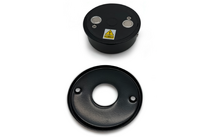
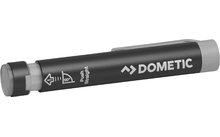

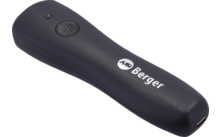

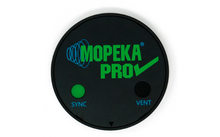
Gas Content Meters
Accurate gas content meters remove the guesswork from cooking and heating on the road. Whether you prefer ultrasonic probes, weight-based scales or built-in gauges, a clear reading helps you schedule refills and prevent interruptions at the pitch.
Caravan And Motorhome Gas Content Meters Basics
Because LPG is stored as liquid with vapour above, pressure alone does not show remaining fuel. Effective meters measure the liquid level or bottle weight, giving a dependable indication of how much gas you have left.
Choosing A Gas Content Meter
Weekend trips may need quick spot checks, while long tours benefit from continuous or app-based readouts. Pick a solution that fits your bottle type, locker space and budget.
Reading Accuracy With Gas Content Meters
For the best results, take readings when the bottle is stationary and at a consistent temperature. Repeat measurements if the vehicle has just moved.
Gas Bottle Content Meters: Ultrasonic And Weight-Based
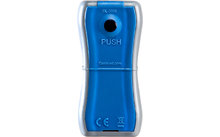
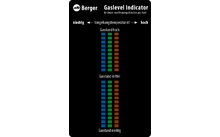
Ultrasonic sensors read the liquid line from outside the cylinder—ideal when access is tight and you want a non-invasive method. Weight-based scales measure contents directly and are highly reliable when your locker allows a stable platform.
Ultrasonic Gas Content Meters
Handheld or mounted probes detect the boundary between liquid and vapour. Ensure clean cylinder walls and firm sensor contact for repeatable results.
Scales As LPG Content Meters
Place the bottle on a compact scale, subtract tare (stamped empty weight) and track consumption precisely—useful for dual-cylinder setups.
Built-In Indicators And Inline Gauges
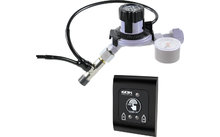
Some cylinders include float indicators that provide an approximate level. Inline pressure dials help with diagnostics but are not true gas content meters, as LPG pressure stays near constant until the liquid is nearly empty.
When To Use Inline Gauges
Use pressure readouts to spot regulator or icing issues. For capacity checks, rely on level or weight measurements instead.
Installing LPG Content Meters Safely
Mount sensors where you can read them easily. Secure bottles upright with approved straps, protect cable pass-throughs with grommets and never drill or modify a cylinder.
Twin Cylinders And Changeover
Label bottles A/B and log readings when the changeover occurs. This keeps usage data consistent and helps plan refills.
Cold Weather Tips For Gas Content Meters
Propane performs better than butane in low temperatures. Apparent “low gas” symptoms may be cold-related delivery limits rather than an empty bottle—verify with a second method.
Stabilising Readings In Winter
Allow the bottle to warm slightly and retake measurements. Keep regulators free from icing and shield outdoor appliances from wind.
Maintenance And Troubleshooting For Gas Content Meters
Wipe sensor pads, calibrate scales when changing bottles and record tare weights and dates in a simple logbook. Replace batteries in electronic devices before peak season.
Quick Checks On The Road
After bottle swaps, leak-test joints, confirm your gas content meter reading and secure straps before driving.
