



Gas Bottle & Cartridges
Find the right gas cylinders and gas cartridges for camping, motorhomes or outdoor adventures - reliable, tested and ready for immediate use.
Read more about Gas Bottle & Cartridges ...



















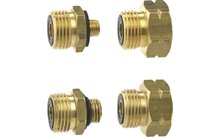
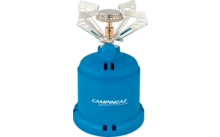

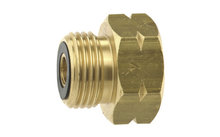


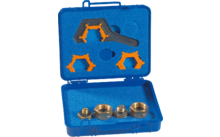


Gas Installation
A well-planned gas installation keeps your caravan or motorhome safe, efficient and ready for touring. With certified regulators, correctly sized hoses and secure connections, you can cook, heat and cool confidently while meeting campsite expectations across Europe.
Caravan And Motorhome Gas Installation Basics
Start by confirming appliance requirements and the target outlet pressure (typically 30 mbar). Position the cylinder upright in a ventilated locker, mount the regulator on a solid bulkhead and route lines with gentle curves to minimise restriction and wear.
Planning Your Camping Gas Installation
List appliances, add up demand and choose components that exceed peak load. Keep access clear for leak checks and bottle swaps, and label shut-off valves for quick isolation.
Materials For A Durable Gas Installation
Use certified LPG hose for flexible links and rigid pipe for fixed runs. Protect pass-throughs with grommets and support lines with cushioned clips to prevent chafe.
Pressure Control In Gas Installation
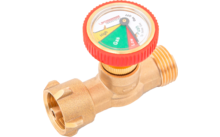
Stable pressure is vital for clean combustion. Pair a certified regulator with country-correct pigtails and keep upstream (high-pressure) and downstream (low-pressure) parts clearly separated to avoid mix-ups.
Bulkhead Regulators And Changeover
Bulkhead-mounted regulators reduce strain on bottle valves. Manual changeover keeps weight down; automatic systems maintain supply when a cylinder empties and show when to refill.
Crash Sensors And Excess-Flow Protection
Where permitted, add crash sensors or excess-flow devices that shut gas in an emergency. Test function during seasonal service.
Connections And Hose Routing For Gas Installation
Match thread type and direction (including left-hand where used) and use the specified gasket or cone seal. Keep hose runs short, respect minimum bend radius and avoid stacking adapters that add leak points.
Country Pigtails And BSP Threads
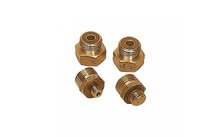
Cylinder connections vary across regions. Carry the correct pigtail for your route, confirm BSP sizes and recheck joints after your first drive.
External Points And Quick-Connects
Approved quick-connect sockets power BBQs and stoves outside. Fit a nearby shut-off valve, cap the port when not in use and position outlets away from awning fabric.
Safety Devices For Gas Installation
Install CO and gas detectors in living and sleeping areas. Flame-failure devices on appliances cut supply if the flame is lost, increasing safety in gusty conditions.
Ventilation And Locker Design
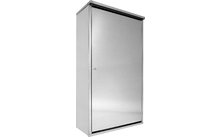
Locker vents must open to the outside at floor level so heavier-than-air gas can escape. Keep drains clear and never store ignition sources in the gas locker.
Clearances And Flue Routing
Follow appliance manuals for clearances. Route flues as specified and check seals so fumes cannot enter the interior.
Testing, Compliance And Maintenance For Gas Installation
After any change, pressure-test with approved leak-detection spray or a soapy solution. Record hose date codes and regulator details for traceability and replace components at stated intervals.
Seasonal Service Checklist
Inspect hoses for cracks, verify stable 30 mbar output, clean burner jets and confirm detectors are powered and tested. Recheck all joints after long journeys.
Troubleshooting Your Gas Installation
Yellow or lazy flames can indicate low pressure, icing or contamination. Check bottle level, regulator capacity, connector seals and appliance jets before use.
Upgrades And Accessories For Gas Installation
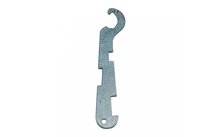
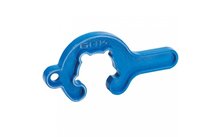
Add a twin-cylinder changeover, external BBQ point, spare seals and a compact toolkit with spanner and leak-detection spray. Smart planning keeps your gas installation reliable on every pitch.
Storage And Winter Care
Close cylinder valves before travel unless your certified system permits operation in motion per local rules. Store cylinders upright, dry and ventilated, and check hoses for stiffness before spring touring.
