
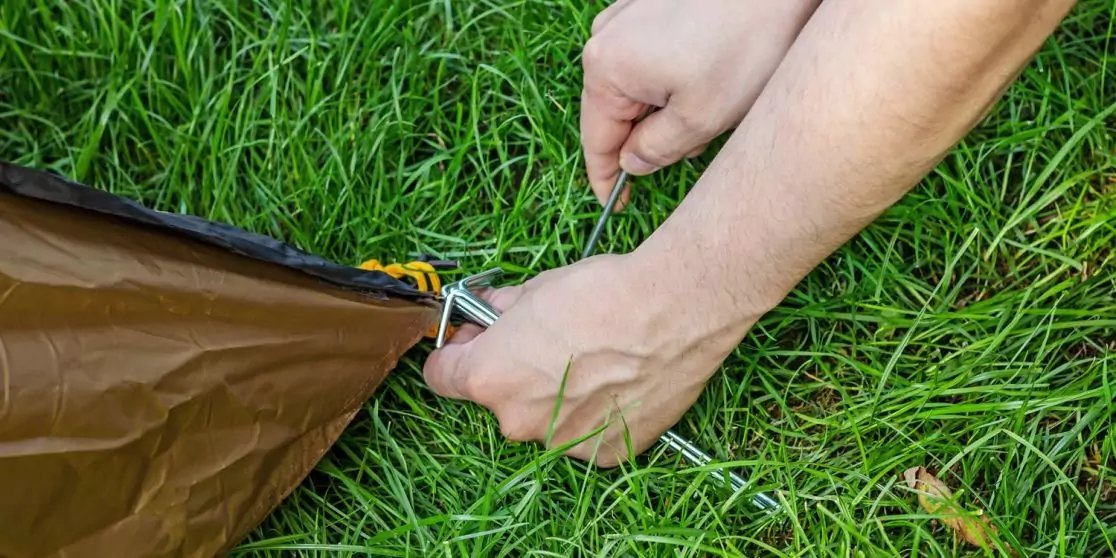

When do I need which tent peg?
Pegs for every soil
Camper love the great freedom and flexibility of mobile accommodation. But when the wind carries away the protective roof, the mood is quickly dampened. We therefore show you here which tent pegs you need for a securely standing tent.
Table of contents
The Question of the Right Tent Peg
is a Question of the Soil
Tent pegs are used to keep the tent walls and roof taut. At the same time, you anchor your tent securely in the ground. And you should make the choice of suitable pegs or "tent pegs" dependent on the ground of your camping spot.
Soft Soils
If you want to pitch your tent on sand, for example in the dunes or on the beach, or anchor it in loose earth in the forest, it is best to use aluminium sand pegs. These special pegs have an X-shape, which allows them to interlock with the soft ground and provide stable support. Due to this property, aluminium pegs with an X-shape are not suitable for hard soils. Because the peg would already bend when being hammered in. A sensible alternative to aluminium pegs are wooden tent pegs. Their V-shape also interlocks very well in sandy soil.
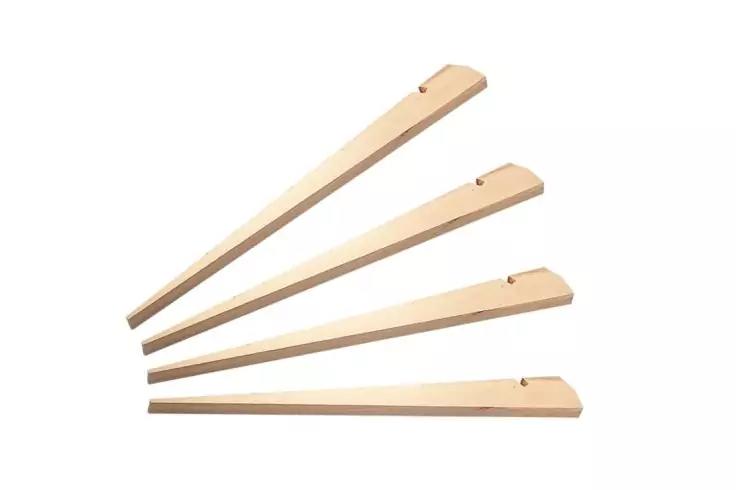
Tent pegs for soft soils

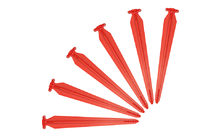

Mixed Soils
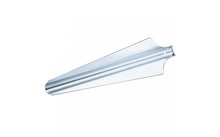
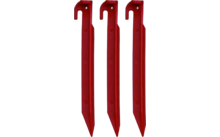
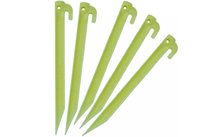
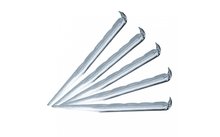
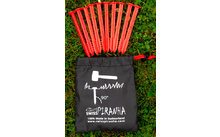
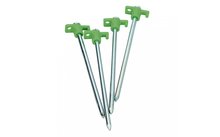
Pegs for mixed soils have a semicircular shape and are made of plastic, galvanised steel or aluminium. The plastic used must be impact-resistant so that you can drive the pegs into harder ground. These pegs are versatile and suitable for camping on meadows, on grass or dry ground.
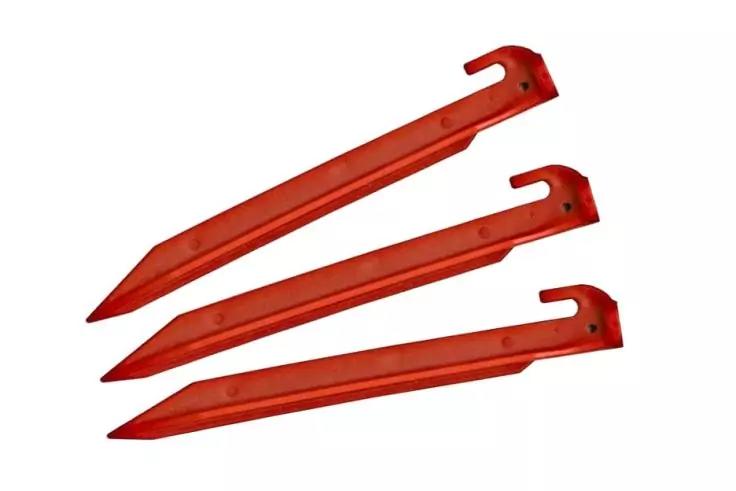
Tent pegs for mixed soils

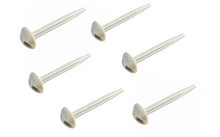
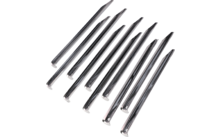
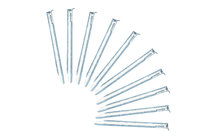
Hard Soils
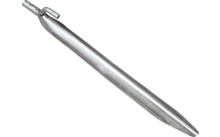
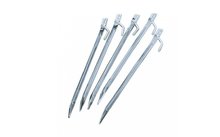
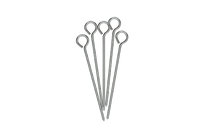
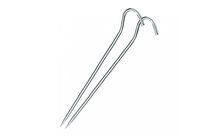
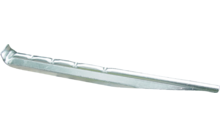
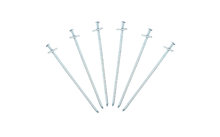
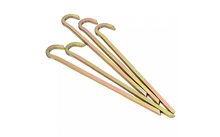
Especially in the sunny southern regions, e.g. in Spain, Portugal or southern France, the soils can be very hard due to lack of rainfall. In this case you need pointed and long steel pegs. They can perfectly make their way between hard ground and stones to give your tent support.
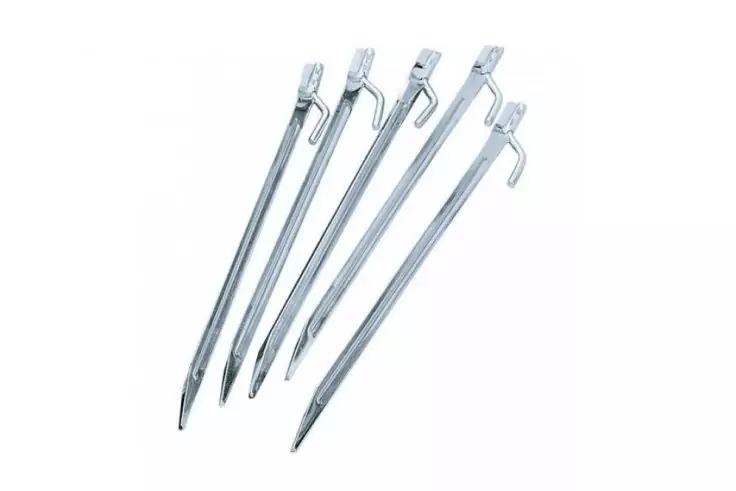
Tent pegs for hard soils


Extremely Hard Soils
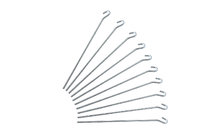
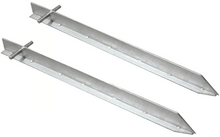
If the ground is very hard, you will also need very hard tent pegs. They are made of special aluminium or galvanised steel. Their profile is round, triangular or square, or it has the shape of a "T". These pegs are also very long, very pointed and thin, similar to a long nail. In this case, you will definitely need a hammer to hammer in the pegs.
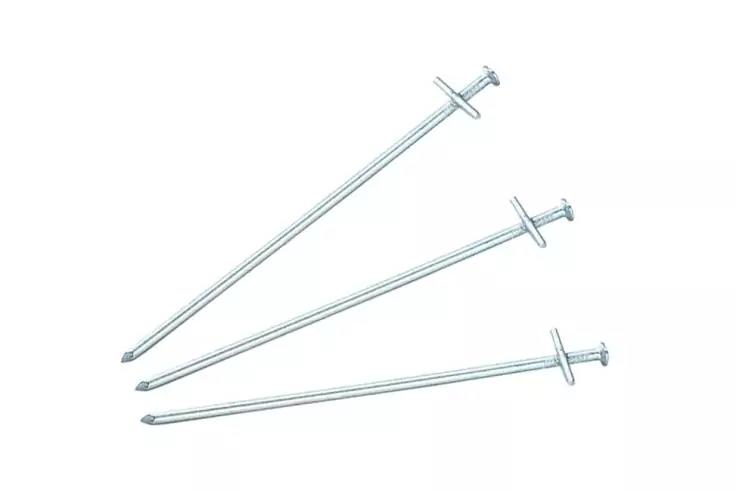
Tent pegs for extremely hard soils





Screw Pegs as an Alternative to the Classic Tent Peg
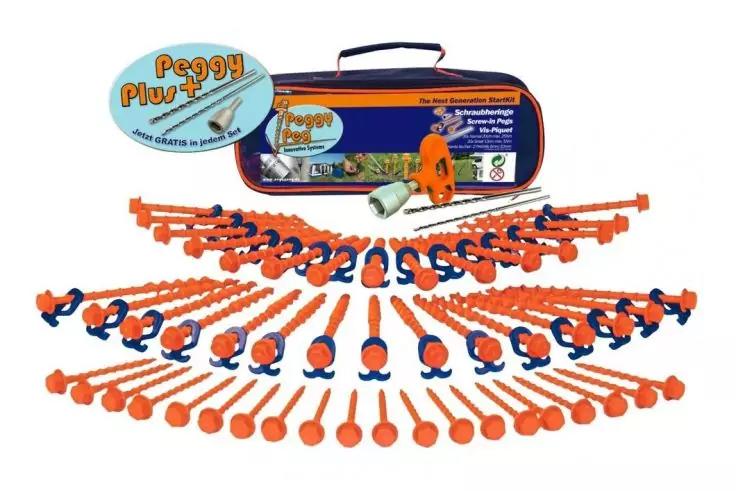
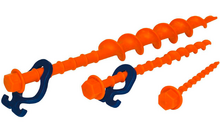
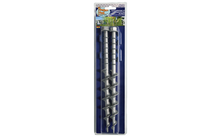
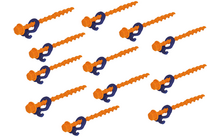
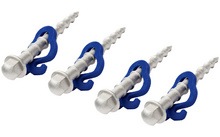
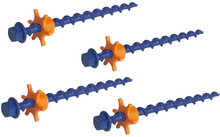
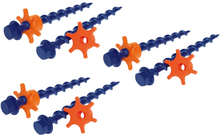
While classic pegs are driven into the ground with a rubber mallet or by hand, screw pegs are screwed in. This construction method makes the tent pegs, which are mainly made of robust plastic, real all-rounders. You can use them on both sandy as well as firm, soft and stony ground. Screw pegs can be screwed in manually or easily with a cordless screwdriver.
Here you can find screw pegs in the Berger online shop.


How Long Do Tent Pegs Have to Be?
Tent pegs have the task of anchoring your tent directly to the ground. You will also need the pegs to attach the guy lines.
To anchor the tent and guy lines as securely as possible, your tent pegs should be at least 20 centimetres long. Rock ground pegs can also be shorter. They are anchored more firmly in the rock anyway and offer extreme support as it is.
Play It Safe
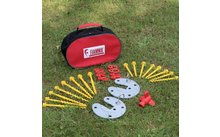
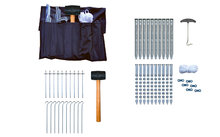
With a tent peg set you are prepared for almost all surfaces. Use the hammer to drive your tent peg into hard ground. The peg extractor helps you pull out "buried" pegs so that taking down your tent is quick. You can use the additional guy line as a replacement, for further attachment or as a temporary clothesline.
Here you can find a tent peg set in the Berger online shop.
Conclusion: Pegs for Every Surface
Basically, if you want to camp on grass, meadows or slightly harder ground, you can't go wrong with all-round, semicircular pegs. If you know in advance that the ground for your tent will be harder or sandy, it is best to stock up your camping equipment accordingly.